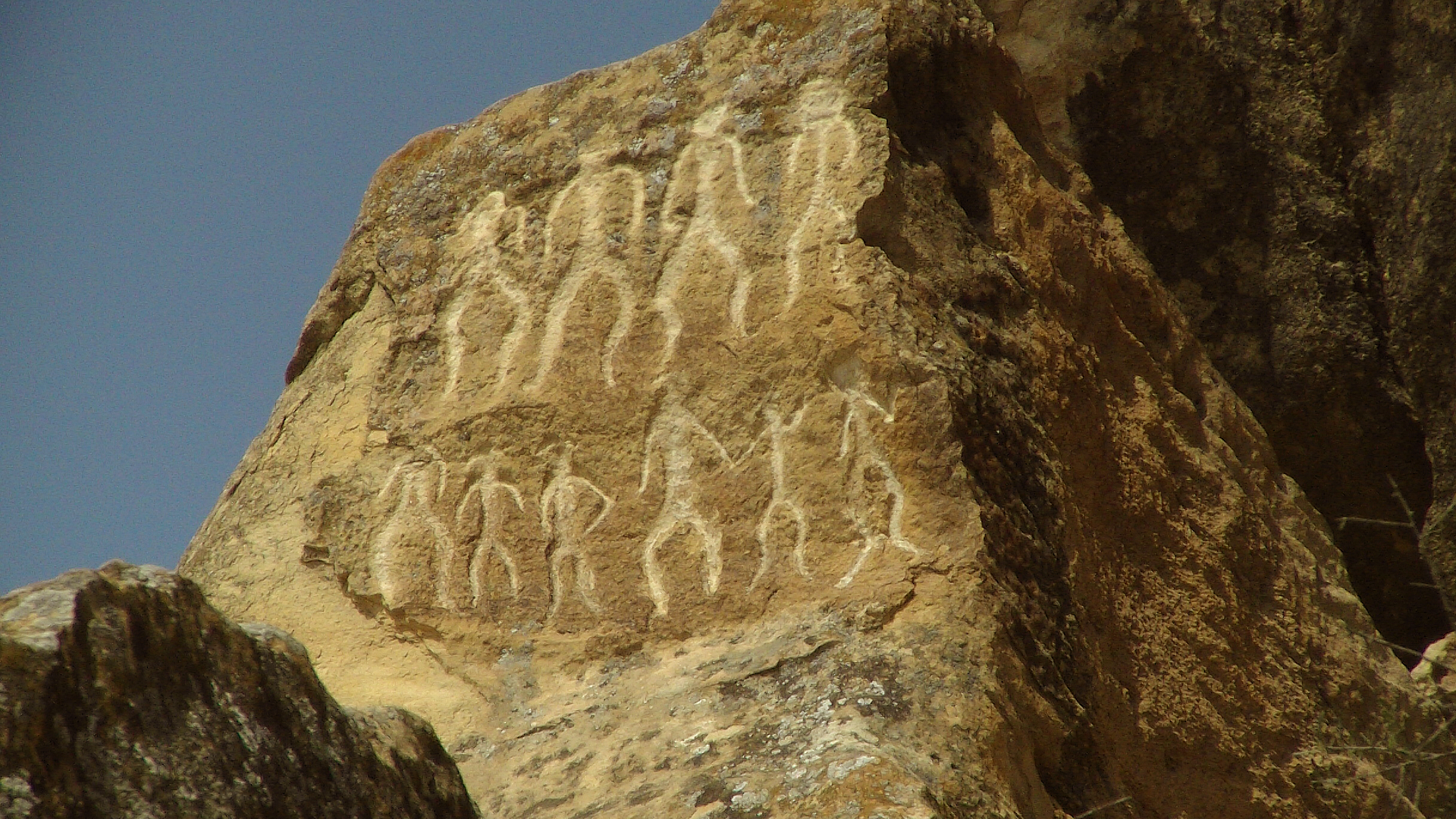
A body of rock carvings scattered across sites in the wider Kavala area has drawn renewed local attention as a little-known archive of prehistoric image-making, predating much of the region's better-known classical and Byzantine heritage. Local researchers describe the carvings, found on exposed rock faces in the countryside, as offering a rare direct link to how early inhabitants of the area recorded their world visually, long before the written histories associated with ancient Neapolis or Philippi. Heritage advocates have called for better documentation and protection of the sites, arguing they deserve a more visible place in the region's cultural narrative alongside its more famous archaeological attractions.
Culture & Entertainment
Rock Carvings Near Kavala Offer a Little-Known Window Into Prehistoric Art
A collection of rock carvings in the wider Kavala area, described locally as an unknown stone archive, offers insight into some of the region's earliest surviving imagery.